
Don’t Risk Your Bond Over Pests
Under the Residential Tenancies Act Victoria, tenants are legally required to return a rental property in the same condition it was in at the start of the tenancy. That means pest-free. Most lease agreements in Melbourne go further — explicitly requiring a professional pest control treatment before you hand back the keys, with a flea treatment made mandatory if any pets have been kept on the property.
Failing to comply is one of the most common reasons real estate agents withhold bonds at the final inspection, and disputes can end up at VCAT. At Good Guys Pest Control, we specialise in end of lease treatments that satisfy real estate agents, property managers, and landlords across Melbourne. We treat all common lease pests in a single visit, issue a compliance certificate on the day, and back our work with a guarantee — so if your agent requests a re-treatment, we return at no cost.
Our 3-Step End of Lease Process
1. Property Inspection
We conduct a full walk-through inspection of the vacated property — all rooms, wet areas, roof void, sub-floor, garage, and outdoor areas. We identify all active pest species, assess any infestation levels, and confirm which treatments your specific lease agreement requires before we begin.
2. Full Property Treatment
We apply the appropriate treatment for every pest present — flea carpet spray and IGR (Insect Growth Regulator) where pets have been kept, commercial-grade residual spray for spiders, ants, and cockroaches, insecticidal dust in the roof void, and rodent baiting where required. Every treatment uses products approved under Australian Standards and safe for the next occupants once dry.
3. Compliance Certificate Issued
Once treatment is complete, we issue a written compliance certificate and detailed service report showing the date, treatment types applied, products used, and our technician’s licence number. This is exactly what your real estate agent needs to release your bond, and what a property manager needs to file for their records.
Every Pest Your Lease Agreement Covers
Our end of lease master treatment is not a basic spray. We cover every pest species commonly found in Melbourne rental properties — including the ones most likely to get flagged at your final inspection.
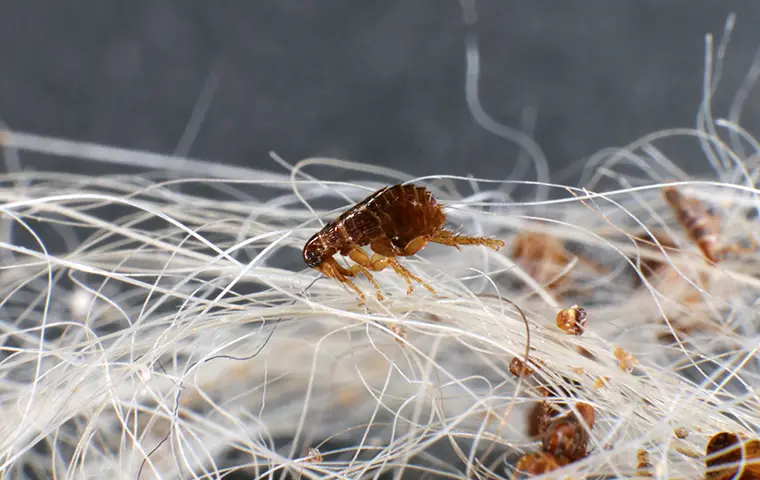
Flea Treatment
The number one reason bonds are withheld at end of lease inspections in Melbourne. If a pet — dog, cat, or otherwise — has lived on the property at any point during the tenancy, a professional flea treatment is almost always a mandatory lease condition. Fleas can survive in carpet fibres for months after a pet has left, and an untreated property will be immediately flagged on inspection.
Our Treatment: We apply a low-odour residual flea spray to all carpeted areas, rugs, and soft furnishings, combined with an IGR (Insect Growth Regulator) that breaks the flea breeding cycle and prevents any surviving eggs from hatching after we leave.
Cockroach Treatment
Cockroaches are one of the most common pest complaints at end of lease inspections, particularly in Melbourne apartments and older homes. Even a spotlessly clean kitchen can harbour German cockroaches inside appliance motors, cupboard hinges, and behind cabinetry — places a tenant or cleaner will never reach.
Our Treatment: Precision gel bait placed inside cupboard hinges, under appliances, and in wet areas, combined with residual spray to all kitchen and bathroom perimeters. We treat the harbourage zone directly, not just the surfaces.

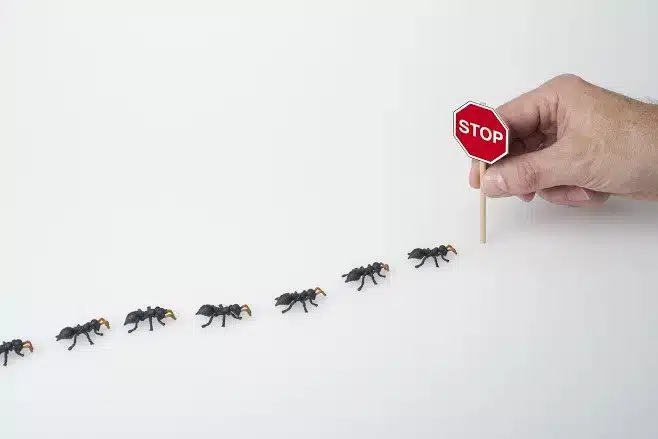
Spider & Ant Treatment
Visible spider webs and ant trails are among the first things a property manager notices at a final inspection. Redback spiders under outdoor furniture, Black House Spider webs in window corners, and ant trails through the kitchen are all grounds for a failed inspection and bond dispute.
Our Treatment: Full internal residual spray to skirting boards, cornices, and window frames, plus external eave, fenceline, and perimeter treatment. We clear all treated webs as part of the service, leaving the property visually clean and inspection-ready.
Silverfish & Rodent Treatment
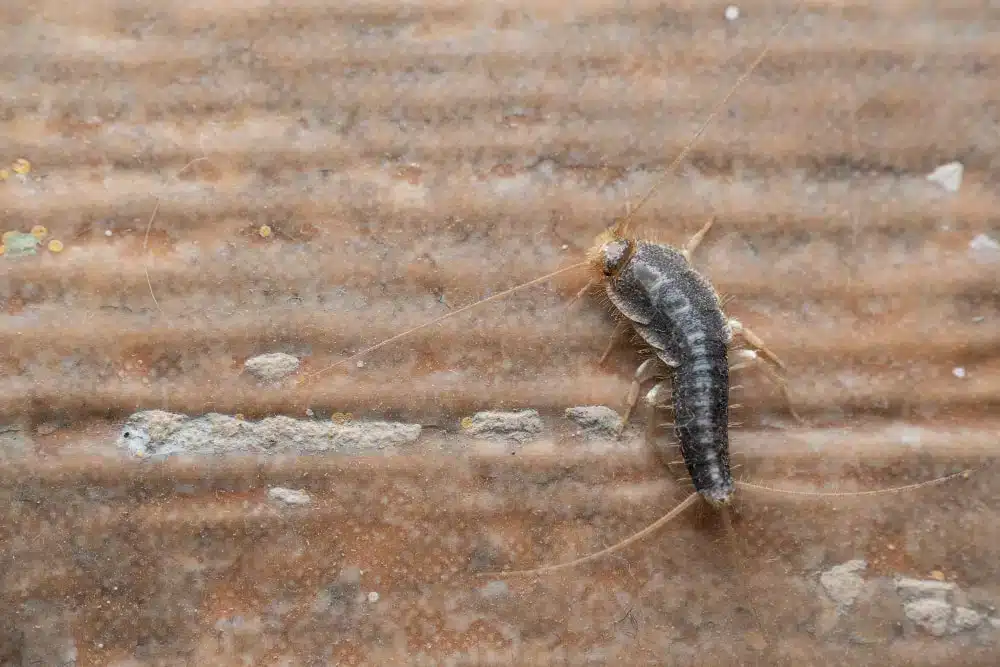
Silverfish are nocturnal and rarely seen during the day, but their feeding damage to wallpaper, book spines, cardboard, and stored clothing is easily spotted by a property manager during a thorough inspection. Rodent activity — droppings, gnaw marks, or nesting material — will stop a bond being released immediately and can result in significant deductions for property damage.
Our Treatment (Silverfish): Insecticidal dust blown through the roof void and applied to laundries, bathrooms, and wardrobes — the three zones where silverfish populations are highest in Melbourne rentals.
Our Treatment (Rodents): Tamper-resistant rodent bait stations placed in the roof void, sub-floor, garage, and around the external perimeter. We also report any visible gnaw damage or entry points to assist with your end of lease documentation.
Note: End of lease pest control should always be completed after all cleaning is finished and before the final key handover. Book your treatment for the last day of tenancy or the day before your final inspection to ensure the certificate is dated correctly for your real estate agent.
What’s Included In Our Master End of Lease Treatment?
We leave nothing to chance. Our master end of lease treatment covers the entire property — every zone a real estate agent will inspect and every pest your lease agreement is likely to require.

Inside The Property
Low-odour residual flea spray plus IGR applied to all carpeted areas and rugs. Mandatory for pet-friendly leases and included as standard in our master treatment package.
Gel bait inside cupboard hinges and under appliances for cockroaches, plus residual spray to all kitchen and bathroom skirting boards, wall junctions, and drain surrounds.
Insecticidal dust blown through the roof cavity to treat silverfish, spiders, and rodents nesting above the ceiling line — an area almost all DIY treatments completely miss.
Full residual spray to all internal skirting boards, cornices, window frames, and door frames across every room of the property.

Outside The Property
Residual spray to all eaves, gutters, downpipes, and external walls to eliminate spider webs, Redback harbourage zones, and ant trails on the building exterior.
External chemical barrier along foundations, pathways, and garden edges to treat ants and spiders on the property boundary — including fences, retaining walls, and garden beds.
Spray treatment of the garage interior, garden shed, and any outbuildings within the property boundary — areas frequently inspected by property managers and commonly missed by cheaper end of lease services.
If the property has a sub-floor, we treat it with insecticidal dust and spray to eliminate rodents, spiders, and silverfish nesting beneath the floorboards — and note any evidence of pest activity in your service report.
Why Choose Good Guy?
The Handyman Advantage
Bugs enter through cracks. Because we are licensed handymen, we do more than just spray. We identify structural gaps, weep holes, and broken seals.
Guaranteed Satisfaction
We use high-quality, weather-resistant chemicals that last and ensure your home remains pest-free.
100% Pet & Child Safe
Once the spray is dry (about 20 mins), it is completely safe for your kids and pets.
Victoria Wildlife & Pest Control Licensed. $20M Public Liability.